I’m just a guy hungry for truth.
where is the gravitas in funeral music?
by Carlos Ramirez de Montalvo
The thing that strikes me the most about contemporary funeral music is how much it doesn’t match up with the event we’re honoring. It’s obvious to say, but death is a serious matter, and, for Christians, that also means we’re hoping for the salvation of our beloved ones. In fact, this is the foremost reason for which a mass is being offered: a propitiatory sacrifice for the soul of the dead.
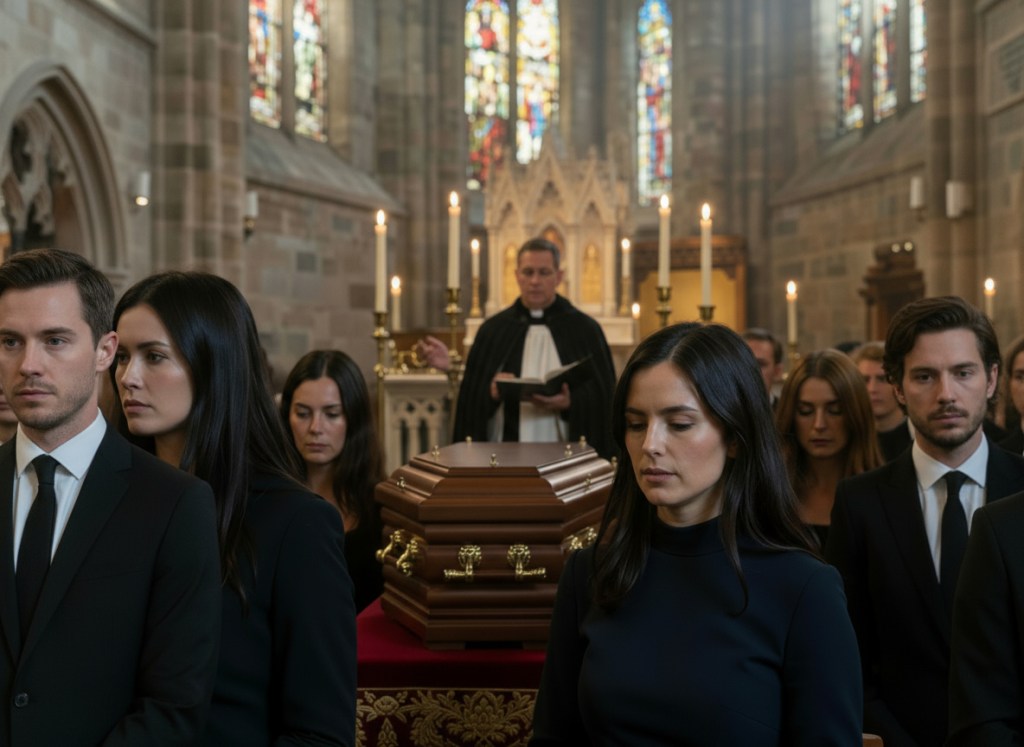
Now, the hymns we often hear don’t match up neither with this intention nor with the natural gravitas of the moment. Let me be straightforward: Uncle Lucio lies in the coffin, his once loquacious mouth is shut, and, despite having being a ‘great guy,’ his soul is in a state we aren’t given to know.

[Tío Lucio]
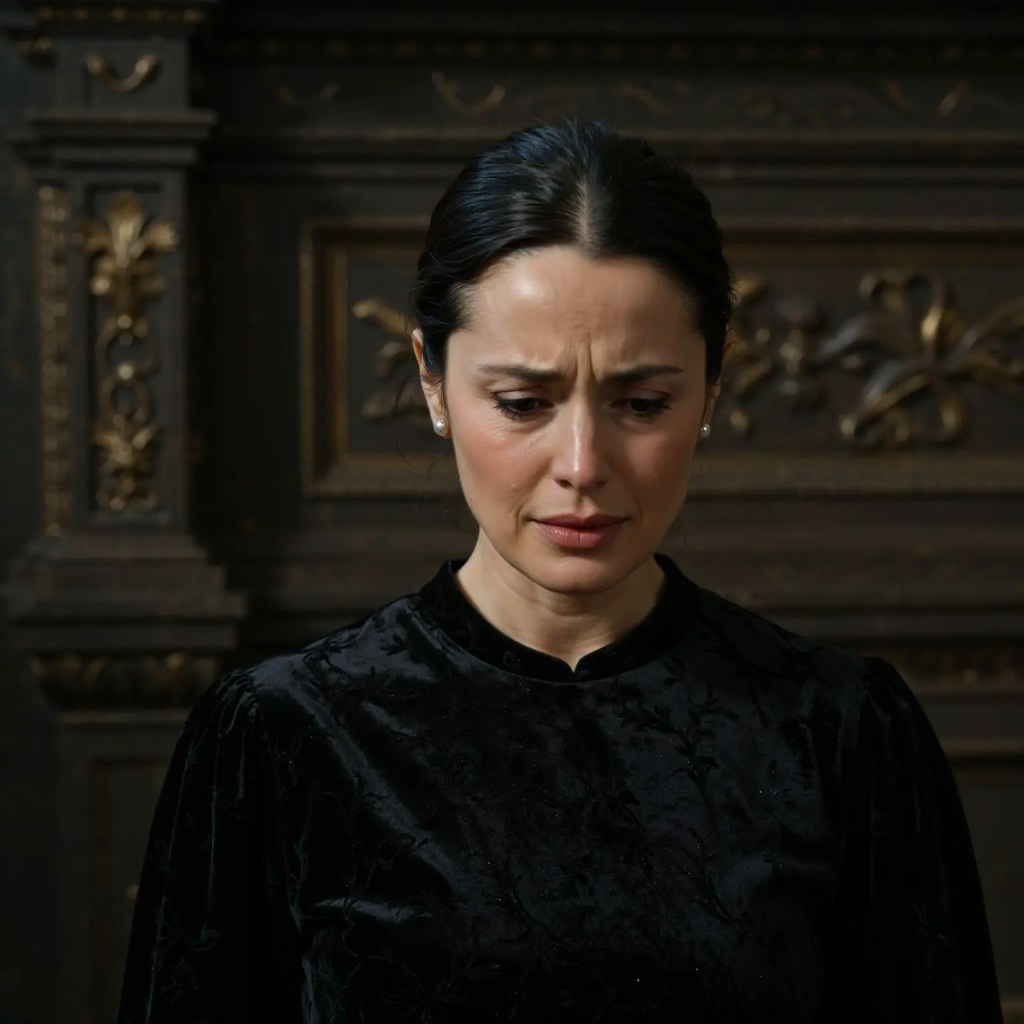
In older times, black vestments used to accompany funeral rites as a way of mirroring the mystery of Lucio’s final exodus. And this is still the case in how people dress up in such moments, like our Aunt Carmen, all tapered in her austere black velvet dress and crowned by impeccable strained hair. But, when it comes to the music, the styles we usually hear don’t reflect our Tía’s mourning; neither the lyrics have anything to do with what Father Máximo is offering up on the altar. To be clear, it’s not about playing music in the minor keys or in modern Dorian mode without the final Picardy, but, for sure, it should be about music that isn’t superficial or unclear in its connection with the rite. Both the mourning of Tía Carmen and the soul of Tío Lucio demand it.
[Tía Carmen]
Here are a few hymns that we should scrutinize in the pars destruens of this Splash:
Here I am
Whom shall I send? (…)
Here I am Lord. Is it I Lord?
I have heard you calling in the night.
I will go Lord, if you lead me.
I will hold your people in my heart.
So, who’s the subject of this? Is it the deceased? The refrain refers to someone who, in a dialogue with God, is in full capacity to respond to His will. In other words, it can be any of us on earth right now. A dead person cannot make decisions, so it can’t be the subject of those questions. Otherwise, are we saying that our Tío was a good apostle with a retroactive (and rhetorical) supplication? Nothing wrong with thinking that, but a funeral mass isn’t meant to be a final judgement…made by us.
Prayer of St. Francis
This beautiful hymn to love and forgiveness is, again, targeting a soul that can…act. Are we implying that Lucio will be this instrument of peace from Heaven? While it’s true that the saints can work for us (e.g. little St. Thèrése), the text is clearly written for someone who’s on earth (‘pardoning to be pardoned’), with the final mention of death as a reminder of our destination. And again, we are not in the position of canonizing our Tío and turning him into an intercessor for us. We do not know where he is. Only God does.
Go in peace
Go in peace, God be with you.
Go in peace, be at rest with the saints and the angels.
Now you are free, go in peace.
This excerpt is enough to disqualify the song from a Catholic funeral. It’s baffling that the text includes the traditional reference to the soul’s requiem without a clear petition to God to grant him such a rest – we’re just sure of it by saying “now you’re free.” The song’s bumpy style and its confusing words denote a superficial attempt to take the place of God or, at best, to obliterate the possibility of Purgatory (not to mention the dark pit we don’t want to think about).
++++
Like these three hymns, several others aren’t meant for funerals or are funeral songs based on unclear teaching. That being said, it’s easy to complain, hard to build. Our hope is to spread funeral music that can actually honor los muertos. So let’s get to the constructive part.
A funeral music selection should at least include some intercessory prayers for the deceased and a clear reference to the Paschal mystery of Christ. As for the musical qualities, they should reflect the depth of this ultimate passover.
Some folks claim that relatives need to be uplifted by pleasant words and touchy chords. Well, emotional appeasement is not the objective of the mass. On the contrary, music as elevated prayer should clearly direct our hearts to Christ’s mystery of salvation. We owe this to our Uncle!
But how should such a prayer be elevated? In other words, what is the style that ought to be used?
The Church has a rich tradition made of multiple branches and threads, but for sure there’s a common denominator regarding death. Grieving can be made sacred only by that doesn’t disregard what we’re going through: Tío Lucio is in the coffin, his pipe lies lonely in the living room, and relatives are all hoping that he goes to Heaven without knowing how he’s doing.
That is, soapy feelings are a distraction. Music that embraces gravitas is what we need.
Tip #1: bring back some of the funeral propers. The clarity of their words and the calm dignity of their musical qualities set the right tone both in terms of doctrine and interior disposition. Grieving is not sugar coated but directed to God’s powerful mercy.
Example: Communion antiphon for the funeral rite
Lux aeterna, luceat eis, Domine; cum sanctis tuis in aeternum, quia pius es. Requiem aeternam dona eis, Domine, et lux perpetua luceat eis.
For curiosity, compare the expressions found in the traditional funeral propers (1) with those from recent songs (2):
- Libera eis de morte eterna (free them from eternal death)/Lux aeterna, luceat eis Domine (light eternal shine upon them, o Lord)/de profundis ad Te clamavi (out of the depth I cry unto You)/Pie Jesu, Domine, dona eis requiem (Blessed Jesus, Lord, give them rest)
- Now you’re free/Make me an instrument of peace/Here I am, Lord…is it I, Lord?/You’re flying like a bird.
Tip #2: choose a mass setting that is solemn and adherent to the prosody of the ordinary of mass.
Tip #3: sing responsorial psalms that are prayerful, with simple melodic patterns as in the divine office (melody should serve the Word of God).
Tip #4: choose stand-alone meditations whose texts are from the proper and musically imbued of a contemplative tone, where sorrow is embraced and enlightened.
Just with these steps, we’ll build consistent musical pillars that are conducive to our prayers of intercession. In truth, not in lies. And yes, such music will match up with the black velvet of our Tía.
 just a hungry guy
Leave a comment